In the hustle and bustle of the festive season, we tend to overspend, overindulge, and overestimate how much stuff we need. It’s easy to overdo it and end up with a massive pile of plastic waste, random junk, and uneaten food. In fact — Aussies produce around 30% more waste at Christmas time!
We think that we can all do better. The key is to think ahead and make sustainable, plastic-free swaps. It’s easier than you think!
Here are six simple ways to host an eco-friendly Christmas – from sending plantable Christmas cards to renting your Christmas tree, and sourcing a sustainable Christmas lunch – so you can focus on having yourself a merry little (plastic-free) Christmas!
Wrap gifts with recycled paper or fabric
What many of us don’t realise though is that many rolls of wrapping paper contain non-recyclable elements like foil, glitter or plastic.
If you want to know if your wrapping paper can be recycled or not, use the scrunch test. Scrunch up the paper in your hards and then let it go. If the paper stays scrunched up, then it can be recycled but, if it unfolds by its own accord, then it likely contains non-recyclable elements.
Alternatively try wrapping gifts with fabric instead, using colourful fabric squares that can be reused again and again or scarves that also be enjoyed as part of the present.
Choose decorations that will last a lifetime
When choosing decorations, we’d recommend opting for classic designs that will be loved for years, as opposed to trend pieces that you’ll be tired of by next Christmas. Decorations made from recycled wood, fabric and glass make great alternatives to plastic or PVC options that are non-recyclable.
Buy eco-friendly crackers
Replace single-use crackers with reusable ones. Some are made from natural linen, and some allow you to add your own personalised gifts. These are great eco-friendly Christmas decorations for the lunch table.
Reduce your food waste
Most of us are pretty good at getting creative with our leftovers throughout the year, but when Christmas comes, we can be a little more wasteful.
One option is to buy less. That can be tricky, though when guests are staying. Instead, make a conscious effort only to buy what you need, no overeating for the sake of it and using your composter or garden waste bin for scraps.
Switch to solar-powered lights outdoors, and put both sets on a timer. You’ll not only make environmental savings, but your energy bills will be reduced too.
Use plant-based glitter
What’s Christmas without a bit of sparkle? Opt for plant-based, vegan glitter like our Bio Glitter. Made entirely from cellulose, this glitter is 100% bio-degradable and does not cost the earth. So make the switch today.
Take care over the holidays enjoy the time with your friends and family. Thanks for your support online throughout the year!
It’s that time of year again! The gift-giving season is upon us, and along with the added stress of what to buy is the indulgence that it brings, but can we do this ethically?
Christmas is a wonderful time of the year. Now that we have entered the new month of December and last shipping dates fast approaching, we’ve gone ahead and rounded up our top picks that will help you to take a more conscious approach to Christmas gifting this year.
Discover our sustainable gift ideas that keep on giving, not only to your loved ones but to the planet too. We’ve listed our top picks for food lovers, adventure seekers, festival lovers and travellers! Scroll down for some serious eco-inspiration!
No eco-food lover should be without a coconut bowl. The Vesica coconut bowls are 100% natural, biodegradable & hand-crafted to perfection. Each coconut bowl has it’s own unique natural shape and is perfect for serving fruits, ice cream, smoothie bowls, hot curries or any homemade foods.
Perfect with the coconut bowl is a beautiful Vesica cutlery set with a natural wooden fork, knife, spoon, chopsticks, bamboo straw and steel straw cleaner in a Vesica roll-up pouch. This is everything you need for a plastic-free lunch on the go rolled into one. Refuse all single-use disposable cutlery and take the environmentally responsible option.
Both of these products are now available perfect gift bundle. Shop here.
We may not have been able to travel very far from our homes this year but, now that we can roam a little further, no traveller should be without a shampoo soap bar. They are plastic-free, easy for travelling and carry-on safe. These Vesica shampoo bars are scented only by nature in four gorgeous flavours and FDA approved.
Think of every toothbrush you’ve used in your lifetime. Now imagine where it is now, most likely in a land-fill. The Vesica bamboo eco-toothbrush is made from bamboo, a fast-growing sustainable material, which is perfect for creating strong handles for toothbrushes. The bristles are a perfect balance of softness and durability to ensure a gentle cleaning experience. No traveller should be without one of these toothbrushes.
Easily one of our best-sellers and top eco-gifts this year is the Vesica water bottle case. They help to provide a sustainable solution to global waste! Every Vesica water bottle case is truly hand-made and unique, from the character in the hard-wearing genuine leather grain, the laser detailing, the embossing to the thread colour. Adventure seekers will love the shoulder strap for days in the mountains, climbing or at the beach!
Hiker and campers will love to keep their liquids hot in this bamboo coated stainless steel tea infuser. With a vacuum seal to insulate so that your tea or coffee can be kept hotter for longer, it can also be carried in a backpack or bag with confidence. The infuser also comes with a stainless steel basket for brewing loose tea leaves.
If you know a regular festival-goer who loves a great piece of body art or glitter bling on your face, it’s time that they make the switch over to bio-glitter! Made entirely from cellulose, this glitter is 100% bio-degradable and does not cost the earth. Give them the gift that will help them to keep their sparkle without harming the planet.
Trendy, stylish and classic, these sustainable bamboo frames with a rich chocolate stain will have you the envy of the fashionable set. These frames are made from sustainable bamboo, approved by Mother Nature for their eco-friendly construction and polarised for healthy eyes. All our glasses come with a soft fabric case perfect for cleaning the lenses, as well as a gorgeous round bamboo hard case for keeping them safe.
Kids birthday parties are wonderfully fun for all, but in the way that they are traditionally celebrated, they are the enemy of zero-waste living. The average child’s birthday party generates vast quantities of waste. From streamers, balloons, cake, ice cream, pizza (all on disposable plates), presents stacked in one corner, plastic goodie bags stocked with cheap toys for all the children to take home, all of which eventually get thrown into a landfill by the end of the afternoon.
The good news is, it doesn’t have to be that way. A little planning well in advance will also take away the stress of trying to organise something a little different this year…or maybe it’s baby’s 1st birthday and you’re going green from the get-go. Throwing a zero-waste birthday party is absolutely possible, nor does it require a lot more work, but you’ve got a year to prepare.
The important part of a zero-waste birthday party is having the birthday-being involved and excited to make their special party zero impact. Make it an excuse to spend quality time with your child planning and making decorations. Here are some ideas on how to cut down on unnecessary waste, save money and have a fun celebration that won’t damage our planet.
Decorations
For decorations, skip the balloons – as pretty as they are, they are also incredibly destructive to wildlife and the environment (See Balloons Blow or ENC for info and visuals). There are many great reusable alternatives to help accomplish a festive appearance. Some of our favourites include:
making your own Happy Birthday banners by printing a personalized one at home.
bunting! Nothing says party like bunting, upcyclable or check out a fabric store for a unique pattern in an ‘end of roll special’. It does take some time to make, but you’ll use it again and again in the years to come.
crafting streamers from fabrics or recycled paper.
Food
Simple finger foods, cupcakes, fairy bread, fruit platters, and a pitcher of juice, coconut water or water are just as nice, easier to prepare, and you can get by with just napkins or recycled paper towel if you want. When it comes to birthday party snacks, avoid plastic-packaged foods and disposable dishes – instead, opt for:
shopping at local grocers, markets and small businesses in your area
loose plastic-free produce
snacks that can be bought in bulk (using your own containers), like nuts, pretzels, popcorn, candies
homemade items, like muffins, hummus, cookies, bread
a pitcher of orange juice or water with reusable cups, instead of juice boxes or bottled water or kombucha, non-alcoholic mixers and alcoholic beverages which are all available in glass bottles.
a container for food scraps. There’s always a few half-eaten plates leftover and have something to transport everything home without making a mess is essential.
asking guests to BYO their favourite plate and cup. Everyone knows whose drink is whose too.
Table
Ask the other parents to encourage their kids to bring their own plates, cutlery and drinking cups. Most kids will have a baby or kids bowl at home they use, depending on their age of course. Once arranged on your party table, it will give a bit more flair to the event by being somewhat more formal than your average get-together. If dishes, cutlery or straws are needed for the adults attending, stick to reusables, like bamboo cutlery and metal straws. Rather than disposable napkins/paper towel, use reusable cloths/towels and have a damp cloth ready for spills.
Entertainment
If you’re planning games for the kids, make your own instead of buying new. Use pieces of used cardboard or biodegradable tissue boxes and tissue wrap to make a pinata, pass-the-parcel or Pin The Tail On The Whale. It’s a great way to get the kids involved and a fun craft activity for a rainy afternoon.
If your kid has a fair-weather birthday, go with some sort of DIY outdoor activity – which not only saves money but also encourages nature appreciation and creativity. Obstacle courses (whether in a yard or local park), scavenger hunts (like a ‘trash hunt’, a.k.a. garbage pick up), sports (set up games of cricket, soccer, tennis, etc.) or a picnic in the park are fun family-friendly activities. Musical chairs, duck duck goose and hide and seek are all winners too.
Invitations
Make your own digital card and send to those invited or to their parent’s email. There are over 300 000 customisable cards available on Etsy.
Or get creative and make a little video to send out or privately on Youtube to keep between friends, which will make a great memory.
Goodie Bags
Skip the goodie bags. How long does your kid actually play with those cheap plastic items in a goodie bag? Usually, about the time it takes to drive home, and once you’re there they then move on to playing with their toys. Right?
If you want to offer something to your guests, try pre-loved books, pencils, paper face masks, seed packets (of herbs or wildflowers) or homemade snacks like cookies or granola bars in recycled fabric bags.
At the end of the day, nobody is perfect and you will probably make a little waste, but that’s ok; think about how much you have saved. Savour those memories, compost your food scraps and start planning for next year!
If you missed our last Instagram post, this month is No Waste November – a global movement to inspire people to pledge to reduce or eliminate waste in their lives.
The initiative was started by Roots and Shoots, a youth-led action program in over 50 counties. Founded by Dr. Jane Goodall, the program’s mission is to foster respect and compassion for all living things, to promote understanding of all cultures and beliefs, and to inspire each individual to take action to make the world a better place for people, other animals, and the environment.
Why a month? The theory is that it takes a month to develop a habit – in this case, one that benefits the planet!
The No Waste November pledge aims to help people (especially young people) to create good habits and healthy habitats.
You can get involved in No Waste November by:
– Pledging to reduce your waste throughout November
– Getting your friends involved and joining the conversation through #NoWasteNovember
– Keeping it up for the rest of the month…and beyond!
If you have already pledged, we’d love to hear how you are doing and what kind of changes you have already made in your day-to-day routine.
If you are just starting, we wanted to share some of the easiest and cheapest ways that you can make a few swaps in your life which will make a massive difference to the amount of waste you create and reduce your plastic usage.
Reuse your shopping bags
Somewhere between five billion and one trillion plastic bags are used each year around the world, so get yourself some pretty reusable bags to take on your weekly supermarket trip. These are usually more attractive, bigger and last longer too. Plus there are so many great options of bags which fold up small so you can always keep one in your bag/pocket, just in case. Alternatively, grab an empty cardboard box from an aisle for an easy option to carry those extra items.
BYO reusable drinks bottles and coffee cups
Plastic bottles are the quickest thing to sink to the bottom of the ocean, and although coffee cups are made mostly from paper, they’re hiding an interior coated in plastic. Plastic particles from disposable water bottles are also slowly eroding into your water, so on the whole, they are bad for the environment, and bad for your health! Grab yourself a Vesica BPA Free, stainless steel bottle and a refillable coffee cup/tea infuser and keep these on hand whenever you’re out and about.
Swap tea-bags for tea leaves
If you’re anything like us and average upwards of 5 cups of tea each per day, every day then over the course of a year you’ll be sending over 2,000 tea bags to landfills. The numbers are shocking when you think about it! To reduce this swap your tea bags for tea leaves in a metal strainer instead. The tea leaves are often better quality too, so it’s a win-win for everyone.
Ditch disposables
Disposable items in your house like razors, plastic toothbrushes and disposable cutlery may seem small. Still, over a lifetime, they are going to add up to a lot of plastic in our landfills. Switch to safety razors which you can change the blades of or items made from natural/biodegradable materials like bamboo. Plus, they look much nicer on your bathroom shelf.
Avoid wrapped fruit and veg
One of the easiest things you can do is to refuse the pre-wrapped fruit and veg in the supermarket. Instead of buying that plastic-wrapped multi-packs or items like packs of 6 apples, visit your bulk shop or pick your own from the loose section and bring your own bag or put them straight in your basket. Even better if you are lucky enough to have access to a farmer’s market!
Are you taking the No Waste November pledge? Let us know in the comments!
Climate change is one of the most defining issues of our time. Many people see it as the most important issue we are facing in current times. From community destroying flooding, extreme weather conditions, rising sea levels, rising temperatures and country-wide wildfires, there’s no doubt that we need to take action to find ways to fight climate change on a global level.
Heatwaves are becoming more common, hotter than ever before and longer-lasting longer. Over the past 5 years, the country has seen temperatures rise to nearly 50 degrees (celsius) in some parts, which is not only having an effect on our health and wellbeing but also to our country and the plants and animals who live on it.
“Since 1910, Australia’s climate has warmed by more than 1 degree Celsius (or 1.8 degrees Fahrenheit). In fact, without action, Australia is expected to warm as much as 5 degrees Celsius (9 degrees Fahrenheit) by 2090.”
We know this doesn’t sound like much every day, you may be thinking “a degree or two here and there can’t hurt”, but in a country that is already hot and dry a degree, or 5 degrees, is a huge concern.
The Paris agreement was signed in 2016 limiting global warming temperature rises to a maximum of 1.5C but the fact is that even at this temperature, we are already seeing the huge impact of climate change. Not only does the rise in temperature cause our bushfire season to be longer and bigger, but droughts and heatwaves are also affecting our food production from agriculture and livestock, and the rise in water temperatures are also killing the Great Barrier Reef and affecting our Oceans.
We know that fighting climate change is not an easy task. Rising CO2 concentrations – and related global warming – will only stabilise once annual emissions reach net-zero, but there are some easy changes we can make to our day to day lives to help the cause and help our own health. We’ve put together a few ways to fight climate change which you can easily implement in your household today.
Learn the facts and speak the truth!
Education is one of the best things you can do to start your journey in fighting climate change. We know there is A LOT of information out there, and far too many opinions about the right and the wrong way to deal with the situation, but reading the information out there is a great way to start on top of what is currently happening and how you can help. After all, the more you know, the more you can do!
Follow some independent news channels, join The Plastic pollution Coalition, follow some environmental influencers or eco-friendly business accounts on social media to get bite-size amounts information throughout your day if you’re overwhelmed by long, scientific articles and news stories.
Once you have some information, talk to your friends and family and see what they are doing to help or what information they can offer. It doesn’t need to be a huge debate or an argument over the breakfast table but sharing ideas is the best way to spread the word and begin to influence others. Each small step goes a long way! Do you really need 3 soy sauce filled plastic fish with you sushi lunch, maybe you could ask for a squeeze from their large bottle. Sadly ironic right?….Eating fish, with the help of plastic fish, that kill the real fish, by eating the discarded plastic fish and then we eat the real fish poisoned by the plastic fish.
Reduce, reuse, recycle
Energy, resources, fossil fuels, and environmental impacts all go into producing clothes, textiles, white goods, phones, computers etc. so focus on buying second-hand, up-cycling or reusing old things you have in your house.
Focus on the proper disposal of the items which you really don’t need or use any more and find loving homes for them or find appropriate recycling points. Limit your food waste by buying only what you need and buying local food to reduce your food’s carbon footprint by the number of miles it has travelled.
Reduce the amount of plastic you use in any way you can by switching from single-use plastic items, like razors, water bottles and coffee cups and instead buy a reusable water bottle that you can keep refilling and take your own reusable bags with you when you next go shopping. The planet will thank you!
Eat your way to climate stability
The decisions we make about food can have a profound effect on the environment. Buying organic and local whenever possible, growing your own, only eating sustainable seafoods and eating more meat-free meals will all make your diet more climate-friendly. It’s not just about what we consume thought but also how much of that food we waste.
Food waste is responsible for 6% of global greenhouse gas emissions. Once in landfill, food waste breaks down and emits greenhouse gases, including not only carbon dioxide (CO2) but methane (CH4) – a gas 25 times more potent than CO2. Therefore, reducing the amount of food you send to landfill and composting any waste can help to reduce those CO2 emissions.
Adjust your thermostat
Greenhouse gas emissions occur anytime non-renewable energy is used to heat our houses. One of the top tips for saving CO2 is to turn your thermostat down by 2 degrees C in the winter and up by 2 degrees in the summer. These are temperatures that you won’t even really notice, but make a huge difference to energy saving.
Try to think about when you will really need the house heating too and only turn the heating on when you are in the house. For example, if you’re heading for a trip away for the weekend and it’s the summertime, you could probably knock the heating off while you are away.
Likewise when it comes to your air conditioner, open up your house when the cool change comes in the evening and sleep with a light cotton sheet.
Walk or ride, don’t drive
Draw a 2km circle around your house and try to walk as much as possible within that circle. Walking or cycling is better for your physical and mental health, but ditching the car to limit the number of unnecessary car journeys are also a great way to reduce the number of carbon emissions you contribute to the atmosphere. Adding a basket or panniers to your bike instantly increases its versatility.
Use it as an excuse to explore your local area too, instead of driving off to that beauty spot or packed beach for a walk on the weekends, make the most of your own backyard and explore local parks and rivers within walking or riding distance of your house. You might be surprised at what you find!
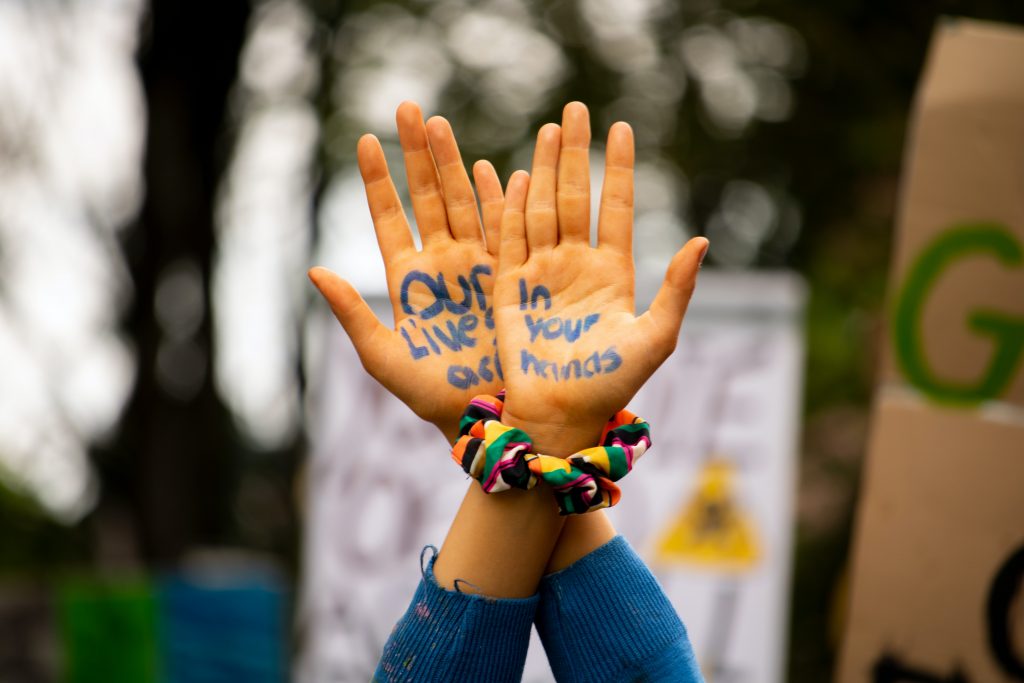
There are hundreds of ways you can help but these are just a few easy ones to get you started. Once you get these in place you will be able to and want to, start introducing more and more into your daily life. The future is in our hands. The time is now to make our own small efforts to keep the Earth alive for our future generations.


Vesica