5 Ways You Can Make a Difference on World Environment Day 2021

Celebrated annually on June 5, the United Nations hosts World Environment Day to help raise awareness about the environment and invite people around the world to take action to protect our planet and its natural resources. Since its inception in 1974, a different country has hosted the event with a specific theme. This year’s theme is ‘ecosystem restoration’ and focuses on resetting our relationship with nature. 

As host of World Environment Day, Pakistan will highlight environmental issues and showcase its initiatives and their role in global efforts. Led by Prime Minister Imran Khan, the Government of Pakistan – in one of the world’s most ambitious afforestation efforts – plans to expand and restore the country’s forests through a 10 Billion Tree Tsunami spread over five years. 

The campaign includes restoring mangroves and forest and planting trees in urban settings, including schools, colleges, public parks and green belts. Pakistan has launched an Ecosystem Restoration Fund to support nature-based solutions to climate change and facilitate the transition towards environmentally resilient, ecologically targeted initiatives covering afforestation and biodiversity conservation. 

However, anyone worldwide can participate in the celebration to raise awareness about our impact on nature and how we can reset our relationship with the planet. You can sign up on the WED site for updates on official events in your local area, or you can come up with ways that you and your family can celebrate right in your neighbourhood. Here are a few ideas to get you started.

Plant native Australian flora for the bees

Bee populations are dwindling worldwide. Ensuring that native Australian bee species have plenty of their favourite flowers and plants on which to feed goes a long way towards helping those populations build back up. These plants include abelias, bottlebrushes, honey myrtle and other native Aussie flowers which you can plant in your backyard. You could also organise a group of keen gardeners to grow native plants in your community or children’s school.

Compost your food waste

Composting is one of the most effective ways that you can help the environment. Food waste makes up almost 40% of the typical domestic rubbish bin, including spoiled fruit and vegetables, the peels, the skins, the outer leaves, the cores, the husks, the seeds—the ‘inedible’ bits. By sending food waste to landfill, Australians generate methane equal to around 6.8 million tonnes of carbonic acid gas. Methane is 30x more potent than your average Co2.

Avoid single-use plastics

Can you go a whole day without buying anything in plastic? It’s a big ask but give yourself a challenge, you might be surprised at how easy you find it! Today could be a great day to check out your local bulk store or farmers market.

Adjust your thermostat

Greenhouse gas emissions occur anytime non-renewable energy is used to heat our houses. One of the top tips for saving CO2 is to turn your thermostat down by 2 degrees C in the winter and up by 2 degrees in the summer. These are temperatures that you won’t even notice but make a massive difference to energy saving.

Try to think about when you will really need the house heating and only turn the heating on when you are in the house. For example, if you’re heading for a trip away for the weekend and it’s the summertime, you could probably knock the heating off while you are away. Likewise, when it comes to your air conditioner, open up your house when the cool change comes in the evening and sleep with a light cotton sheet.

Take part in a beach clean-up.

At least 8 million tons of plastic end up in our oceans every year and make up 80% of all marine debris from surface waters to deep-sea sediments. There are various ways that this plastic ends up in our oceans, but one way we can help stop quickly is the amount of plastic that the tide sweeps up from the beach and coastlines. 

You can make a difference by joining a beach clean-up organisation in your area or hosting your own! Simply get a group of like-minded eco-enthusiasts together and pick up any rubbish you see on your local beach to make it a safer and more pleasant place to be. 

Do you celebrate World Environment Day? How do you mark the occasion? Let us know in the comments below.

6 Ways to Celebrate Earth Month

April is Earth Month! While every day in our house is Earth Day, we are always trying to add more and more ways in our business and as individuals to help to fight climate change and save the planet. 

As we look forward to Earth Day on April 22, now is a great time to start planning how you might want to celebrate and what you can do to take part! Here, we share our top six favourite ways to celebrate Earth Month.

1. Reduce, Reuse, Recycle

Adopt the 3 R of sustainability and help to save the planet! 

Reduce what you buy. Before you make a purchase, ask yourself if you genuinely need it or if you can repurpose other items that you already have. Shopping for secondhand clothing and products helps contribute to less waste. Avoid products wrapped in plastic, and limit your food waste by only buying what you need.

Reuse plastic items as much as possible or take to a secondhand store where possible, so they don’t end up in landfill.

Recycle correctly, and choose to buy recycled products to close the loop. Focus on the proper disposal of the items which you don’t need or use any more. 

2. Ditch single-use plastics

Reduce the amount of plastic you use by switching from single-use plastic items. Think of anything you throw away after you use them, like razors, water bottles and coffee cups and instead buy a reusable water bottle that you can keep refilling and take your reusable bags with you when you next go shopping. The planet, and your wallet, will thank you!

3. Tune in to Earth Day Live

Join billions worldwide on April 22 to watch world leaders, youth activists, and social media influencers all come together to talk about ways in which we can #RestoreOurEarth

Most events are still online, as EARTHDAY.ORG will have its second Earth Day Live digital event. Workshops, panel discussions, and special performances will focus on Restore Our Earth™ — we’ll cover natural processes, emerging green technologies, and innovative thinking to restore the world’s ecosystems. 

Some local communities are also holding in-person tree planting and beach clean-ups, where possible.

4. Be An Advocate For Our Planet!

Education is one of the best things you can do to start your journey in fighting climate change. You can do this in so many ways, like sharing facts about climate change & our ocean on your social media, sparking conversations with friends & family, and even organising regular clean-ups with your community. 

Ask your local cafes to ditch plastic straws (if they haven’t already) or supply plastic-free takeaway containers. Better yet, bring your own! Encourage your friends, family and colleagues to use their thermos’. Call out those rubbish tossers! Write an email to your local council and get involved in activities that can spread awareness among your community.

5. Get on your bike

Limit the number of unnecessary car journeys to reduce your carbon footprint. The fewer cars on the road, the fewer carbon emissions polluting the air and contributing to global warming. 

Riding your bike and just taking a walk are two of the best options available. Adding a basket or panniers to your bike instantly increases its versatility. And if you don’t have a bike or don’t know how to ride one, carpool or take public transportation.

6. Invest in Green Technology and Businesses

Support green advancements in technology and businesses striving for change by investing in them. Ultimately, businesses can significantly impact the climate, with only 100 companies responsible for 71% of global emissions, so the obligation lies with businesses to make crucial changes that provide a positive impact on our planet. The big change comes when consumers demand it. 

If the threat of climate change has you questioning where your money is being invested, you may want to consider an ethical exchange-traded fund (ETF). An Ethical ETF is simply an ETF that excludes certain industries or companies from their investment holdings. Ethical ETFs can also require companies to meet certain sustainability targets in order to be eligible for inclusion. Always do your own research about which ETF is best for you and ensure you only invest what you can afford to lose. 

You can help hundreds of ways, but these are just a few easy ones to get you started. Make these a habit in April and continue them for the rest of the year. Each small effort we make to keep the Earth alive for our future generations adds up to a significant impact. 

How will you be celebrating Earth Month? 

6 Ways To Have A Plastic-Free Summer

We find the summer holidays one of the most challenging times to be plastic-free. The routine of the week and comforts of home make packing your own lunches in glass or metal containers, remembering your shopping bags and sipping from your water bottle easier. 

Now the summer holidays are here, and you might be out of the house a little bit more, away from home visiting family or looking for ways to treat yourself to a coffee from your local cafe. It’s all too easy to fall back into your old plastic wasting habits.

Incorporate some plastic-free activities and practises into your summer holidays. Soon they will become second nature, meaning that you will be reducing your plastic without even thinking about it! Here are six of our favourite plastic-free activities to get you started.

Take your own picnic

If you’re lucky enough to be able to explore or even travel further afield, pack up a picnic and set off for your local park or beach. 

For the ultimate plastic-free picnic, wrap your goodies in muslin or wax and store items glass or metal containers. You can also bring your own water bottles or thermos’ to drink from and bamboo cutlery, if you need them. Then all you need to do is just sit back and relax.

Remember your water bottle

Plastic bottles are the quickest thing to sink to the bottom of the ocean, and they never biodegrade. Plastic particles from bottles are also slowly eroding into your water so on a whole they are bad for the environment, and bad for your health! Grab yourself a stainless steel water bottle instead and remember to keep these on hand when you’re out and about this summer.

Visit the local farmers market

Farmer’s markets are a great activity, and a great way to save on plastic wrapping, eat organic, support local and independent businesses and have an all-round more personal shopping experience. You can find these in your local town, and more and more are popping up in cities. Bulk food stores are also another way to save on packaging, just grab your favourite refillable container!

Buy from the deli or bakery

When it comes to buying the ingredients for family gatherings or summer BBQs, try to visit your local bakery, butchers or deli. Most small businesses are happy to wrap your products in your own containers, or wax wraps so just ask!

Start your own herb garden or veggie patch

Herbs and veggies often come with a considerable amount of plastic waste. From herb portions wrapped in plastic to fruit on plastic trays, there are so many ways that you can reduce your plastic waste and growing your own is one of the best. Even if you just have space for a few small pots of herbs or salad leaves on your window ledge growing your own is a perfect activity to keep the whole family busy all summer long.

Ditch the coffee runs

We know that grabbing a coffee from a cafe feels like a treat, but disposable coffee cups can no longer be recycled. It is estimated Australians use 1 billion disposable coffee cups each year. That’s approximately 2,700,000 paper coffee cups thrown out every day! Instead, invest in your own reusable coffee thermos or some quality, fair-trade coffee that lives up to your takeaway coffee standards and make your own at home.

markus spiske 5sh24a7m0BU unsplash

5 Easy Ways to Fight Climate Change

Climate change is one of the most defining issues of our time. Many people see it as the most important issue we are facing in current times. From community destroying flooding, extreme weather conditions, rising sea levels, rising temperatures and country-wide wildfires, there’s no doubt that we need to take action to find ways to fight climate change on a global level. 

Heatwaves are becoming more common, hotter than ever before and longer-lasting longer. Over the past 5 years, the country has seen temperatures rise to nearly 50 degrees (celsius) in some parts, which is not only having an effect on our health and wellbeing but also to our country and the plants and animals who live on it. 


“Since 1910, Australia’s climate has warmed by more than 1 degree Celsius (or 1.8 degrees Fahrenheit). In fact, without action, Australia is expected to warm as much as 5 degrees Celsius (9 degrees Fahrenheit) by 2090.”

Climate Reality Project

We know this doesn’t sound like much every day, you may be thinking “a degree or two here and there can’t hurt”, but in a country that is already hot and dry a degree, or 5 degrees, is a huge concern.

The Paris agreement was signed in 2016 limiting global warming temperature rises to a maximum of 1.5C but the fact is that even at this temperature, we are already seeing the huge impact of climate change. Not only does the rise in temperature cause our bushfire season to be longer and bigger, but droughts and heatwaves are also affecting our food production from agriculture and livestock, and the rise in water temperatures are also killing the Great Barrier Reef and affecting our Oceans.

We know that fighting climate change is not an easy task. Rising CO2 concentrations – and related global warming – will only stabilise once annual emissions reach net-zero, but there are some easy changes we can make to our day to day lives to help the cause and help our own health. We’ve put together a few ways to fight climate change which you can easily implement in your household today.

paddy o sullivan rsmlgiahfoU unsplash

Learn the facts and speak the truth!

Education is one of the best things you can do to start your journey in fighting climate change. We know there is A LOT of information out there, and far too many opinions about the right and the wrong way to deal with the situation, but reading the information out there is a great way to start on top of what is currently happening and how you can help. After all, the more you know, the more you can do!

Follow some independent news channels, join The Plastic pollution Coalition, follow some environmental influencers or eco-friendly business accounts on social media to get bite-size amounts information throughout your day if you’re overwhelmed by long, scientific articles and news stories. 

Once you have some information, talk to your friends and family and see what they are doing to help or what information they can offer. It doesn’t need to be a huge debate or an argument over the breakfast table but sharing ideas is the best way to spread the word and begin to influence others. Each small step goes a long way! Do you really need 3 soy sauce filled plastic fish with you sushi lunch, maybe you could ask for a squeeze from their large bottle. Sadly ironic right?….Eating fish, with the help of plastic fish, that kill the real fish, by eating the discarded plastic fish and then we eat the real fish poisoned by the plastic fish. 

Reduce, reuse, recycle

Energy, resources, fossil fuels, and environmental impacts all go into producing clothes, textiles, white goods, phones, computers etc. so focus on buying second-hand, up-cycling or reusing old things you have in your house. 

Focus on the proper disposal of the items which you really don’t need or use any more and find loving homes for them or find appropriate recycling points. Limit your food waste by buying only what you need and buying local food to reduce your food’s carbon footprint by the number of miles it has travelled.

Reduce the amount of plastic you use in any way you can by switching from single-use plastic items, like razors, water bottles and coffee cups and instead buy a reusable water bottle that you can keep refilling and take your own reusable bags with you when you next go shopping. The planet will thank you!

Eat your way to climate stability

The decisions we make about food can have a profound effect on the environment. Buying organic and local whenever possible, growing your own, only eating sustainable seafoods and eating more meat-free meals will all make your diet more climate-friendly. It’s not just about what we consume thought but also how much of that food we waste.

Food waste is responsible for 6% of global greenhouse gas emissions. Once in landfill, food waste breaks down and emits greenhouse gases, including not only carbon dioxide (CO2) but methane (CH4) – a gas 25 times more potent than CO2. Therefore, reducing the amount of food you send to landfill and composting any waste can help to reduce those CO2  emissions. 

Adjust your thermostat

Greenhouse gas emissions occur anytime non-renewable energy is used to heat our houses. One of the top tips for saving CO2 is to turn your thermostat down by 2 degrees C in the winter and up by 2 degrees in the summer. These are temperatures that you won’t even really notice, but make a huge difference to energy saving.

Try to think about when you will really need the house heating too and only turn the heating on when you are in the house. For example, if you’re heading for a trip away for the weekend and it’s the summertime, you could probably knock the heating off while you are away.

Likewise when it comes to your air conditioner, open up your house when the cool change comes in the evening and sleep with a light cotton sheet.

Walk or ride, don’t drive

Draw a 2km circle around your house and try to walk as much as possible within that circle. Walking or cycling is better for your physical and mental health, but ditching the car to limit the number of unnecessary car journeys are also a great way to reduce the number of carbon emissions you contribute to the atmosphere. Adding a basket or panniers to your bike instantly increases its versatility.

Use it as an excuse to explore your local area too, instead of driving off to that beauty spot or packed beach for a walk on the weekends, make the most of your own backyard and explore local parks and rivers within walking or riding distance of your house. You might be surprised at what you find!

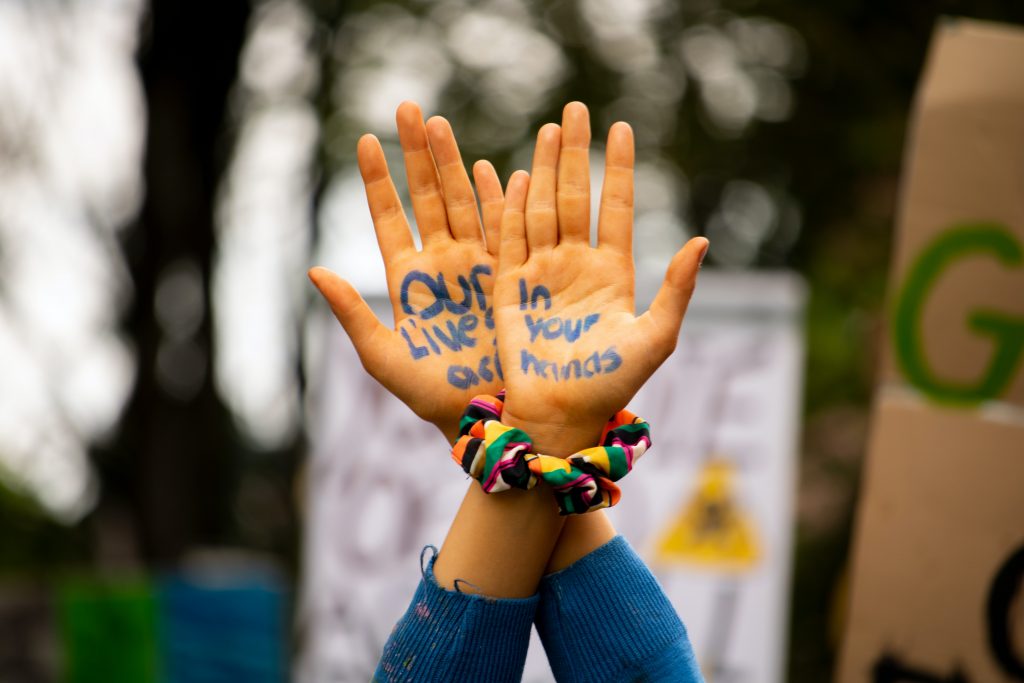
There are hundreds of ways you can help but these are just a few easy ones to get you started. Once you get these in place you will be able to and want to, start introducing more and more into your daily life. The future is in our hands. The time is now to make our own small efforts to keep the Earth alive for our future generations.

Screenshot 2020 10 07 114340

Easy Ways To Go Zero Waste At Home

Zero waste living aims to minimise the impact of modern life by reducing the amount of waste we produce. It’s said that the average Australian produces 540kg of waste per year so it can seem daunting to imagine not producing any waste of any kind.

Going zero waste is definitely not going to happen overnight but if there’s one thing we can do for the planet, it’s to reduce the amount of waste we produce. Especially in our own homes. There are some really easy steps you can take to move towards a zero-waste home, so we’ve put together a list of some easy and budget-friendly ideas below to get you started.

Remember, it’s not about being perfect. Small changes which we make collectively can make a big impact so pick a couple that is achievable for you and implement these in your home today.

EASY WAYS TO GO ZERO WASTE AT HOME:

  1. Separate your rubbish

The first step to zero waste is separating your rubbish properly. Without this, you might be sending waste to landfills which could actually be recycled or composted or contaminating your recycling so it has to be sent to landfills. Contaminated rubbish affects what will and won’t be sent to recycling.

An easy way to do this is to install four bins at home. One for landfill (e.g. non-recyclable plastics, household waste), one for recycling (e.g. paper, glass, cans, card), one for soft plastics (e.g. any plastic your can fold in your hand) and one for compost (e.g. food waste). Your number one goal at home is to use the landfill bin the least. 

It’s always a good idea to give any glass jars, can or packaging a rinse and let dry on your dish rack overnight to remove any food which might contaminate your recycling.

Some councils will take away your soft plastic but, if not, there are soft plastic drop-off bins at both Coles and Woolworths.

  1. Recycle glass jars

Glass jars can be used for so many things around the house and that’s not just making your own jam. Save and wash all of your empties and use next time you head to the bulk food store, regrowing your food scraps, pickling food for long term storage, storing leftovers in the fridge or taking to work, new cocktail glasses and food storage. Plus, the right jars can make your kitchen shelves and pantry look beautifully coordinated and organised.

  1. Invest in reusable food and drinks containers

One the easiest ways to reduce your waste is by storing your food properly, so it’s important to invest in reusable food and drink containers. Glass jars can be great for storing your coffee, nuts, smoothies, dried foods and pulses, but it’s a great idea to also invest in some natural, reusable containers like Pyrex-style glass dishes,  stainless steel bento boxes or silicone lids which you can use for meal prepping or saving your leftovers.

  1. Compost your food waste

A compost bin is a great addition to your kitchen or garden. There are some really good options out there for cheap and easy to implement composting options for your garden, and there are also clean, tabletop versions which you can keep in your kitchen available or community bins in your local area. Worm farms are ideal for those with limited space as they fit neatly on a balcony. 

  1. Use food scraps to make your own cleaning products

Food can be used for really effective cleaning products. Ingredients like distilled white vinegar, lemon juice, baking soda and sugar can be used to polish kitchen worktops, clean windows and remove stains whilst killing that pesky bacteria. Combine these with essential oils for a beautiful smelling home.

  1. Swap tea-bags for tea leaves

I don’t know about you but we average upwards of 5 cups of tea each per day, every day. That equates to almost 2,000 tea bags in our landfills per person in a year! Some teabags are made from, or sealed using plastic which not only sheds billions of particles of microplastic into each cup you drink but also end up in our landfills. To reduce this, swap your tea bags for tea leaves in a metal strainer instead. The tea leaves are often better quality too, so it’s really a win-win.

  1. Repair holes in clothes

It may sound obvious, but too often clothes are thrown away for having small holes, a broken zipper or a lost button even though these can be sown up very easily, without the need for any seamstress skills. Make an excuse to visit an older relative and ask them for tips if you’re really stuck, it’ll be a great bonding experience which you’ll find therapeutic.

  1. Ditch disposable for natural materials

There are some really great natural fibres on the market which provide brilliant and budget-friendly alternatives to disposable products like bamboo cotton pads, metal razors, natural loofah’s, plastic-free q-tips, natural tampons, cloth face wipes.

  1. Save food scraps for homemade stock and natural dyes

Food scraps can be used in a whole heap of ways like turning root veg stalks into homemade stock, apple cores and skins into apple cider vinegar, regrowing your roots, baking old bread into croutons and french toast, using banana skins for cleaning…I could go on…but one of our favourites is natural tie-dying. 

Simply using your food scraps and water, turmeric can be used to create yellow tones; red onion for pink; red cabbage leaves for purple and avocado skins for dusty pinks and browns. Plus, it’s a great way to bring life back into that white t-shirt you split red wine on!

  1. Request for no junk mail to be put through your letterbox

Another easy one, add a small sign to your front door or letterbox requesting that companies do not post you junk mail. Chances are you’re probably not interested in selling your house right now or need another plastic tradie magnet for your fridge. But when you do, you’ll open a web browser not your letterbox to find the best options.

  1. Use cloth nappies instead of disposable

A staggering 3.75 million disposable nappies are used each day in Australia and New Zealand, and it takes about one cup of crude oil to make each nappy. This is a lot for landfills, with conventional disposable nappies estimated to take up to 150 years to break down. Making a switch to cloth nappies is the more environmentally-friendly option, and is easier than ever with the modern cloth nappies currently available. You might also like to consider a cloth nappy washing service, but bear in mind the energy and emissions associated with transportation.

  1. Swap to rechargeable batteries

Never again find yourself hunting around in that draw you dump everything from pens, foreign coins, remote controls, keys that you have no idea what they open, letters you’re saving for…what was it again, random cards and pairs of glasses, for batteries again and switch to rechargeable types. Keep your batteries in two small glass jars, write ‘Flat’ and ‘Charged’ on the lids. Invest in quality rechargeable batteries and a charger. Charge a group of batteries and store in the ‘Charged’ jar, put the rest in the ‘Flat’ jar and charge as needed. When the remote goes flat, you know where to go. Thank us later.

  1. Prep!

Making meals instead of buying takeout or ready meals is a great way to reduce waste and save on all of those disposable take-away containers. You’ll use all the food you purchased at the supermarket, cut down on packaging of food items, and reduce the carbon footprint of your food while you’re at it. Dehydrators are great too for healthy snacks to store in your cupboards. Keep it really easy, and save time, by cooking food in bulk and eating it throughout the week.

What do you think of these tips? Do you have any other steps to add?